
What is Fusion Bellydance & Oriental Dance? | Roots of Fusion Bellydance
- Fanny Delesham

- 8 tuntia sitten
- 3 min käytetty lukemiseen

Fusion Bellydance, also known as Tribal Fusion Bellydance, is a modern dance style that combines the techniques of traditional Oriental dance with influences from many Western and contemporary dance forms. While this style was formerly widely referred to as Tribal Fusion Bellydance, the term “fusion” better reflects the dance’s diversity and cultural blending today. In many contexts, the “tribal” term is considered outdated, yet it still appears across platforms.

The Style and Origins of Fusion Bellydance
Fusion Bellydance emerged in the 1990s in the United States and quickly spread worldwide. Some trace its origins earlier, so there is no single agreed-upon starting year.
The dance blends precise Oriental dance technique with flowing, expressive movements and strong accents.
Many dancers incorporate elements from other styles, such as:
Popping and hip-hop
Flamenco
Indian Kathak
Fusion Bellydance is expressive and versatile, combining soft, flowing movements with sharp, powerful accents. Dancers may also use props such as finger cymbals (sagat or zills), veils, or swords to enrich their performances.
Although Fusion Bellydance is a modern, creative genre not tied to any one culture, it can act as a bridge between different cultures and people. At the same time, respecting the dance’s roots and learning about its history is essential.

Oriental Dance and Bellydance
Fusion Bellydance is rooted in Oriental dance (Raqs Sharqi), which is also often referred to as bellydance. Oriental dance encompasses a variety of styles from the SWANA region (South-West Asia and North Africa), ranging from folk dances to modern stage performances.
Europeans and Americans began calling this dance “bellydance” in the 19th century. In Finland, common terms include vatsatanssi and colloquially napatanssi, though many teachers and performers prefer “Oriental dance” because it covers a wider range of styles and body movements.
It’s important to note that while not everyone finds the term bellydance problematic, in some discussions it is considered colonialist. The term napatanssi is generally avoided in expert contexts. Understanding the fundamentals of Oriental dance enriches Fusion Bellydance practice and deepens appreciation for the dance’s cultural background.

Why I Teach Fusion Bellydance
I teach Fusion Bellydance because I love combining precise technique and creativity, seeing students grow, find their own rhythm, and gain confidence through movement. Fusion Bellydance allows for expression without words, provides a source of energy, and strengthens both body and mind.
How to Start Fusion Bellydance Easily
Now that full-term spring courses are underway, you can also join Fusion Bellydance through shorter workshops and summer weekly classes:
Workshops: Easy to join, no prior dance experience required.
Summer weekly classes: 4 times per month, no long-term commitment.
May courses will be published in March, so you can plan your late spring and early summer around dance.
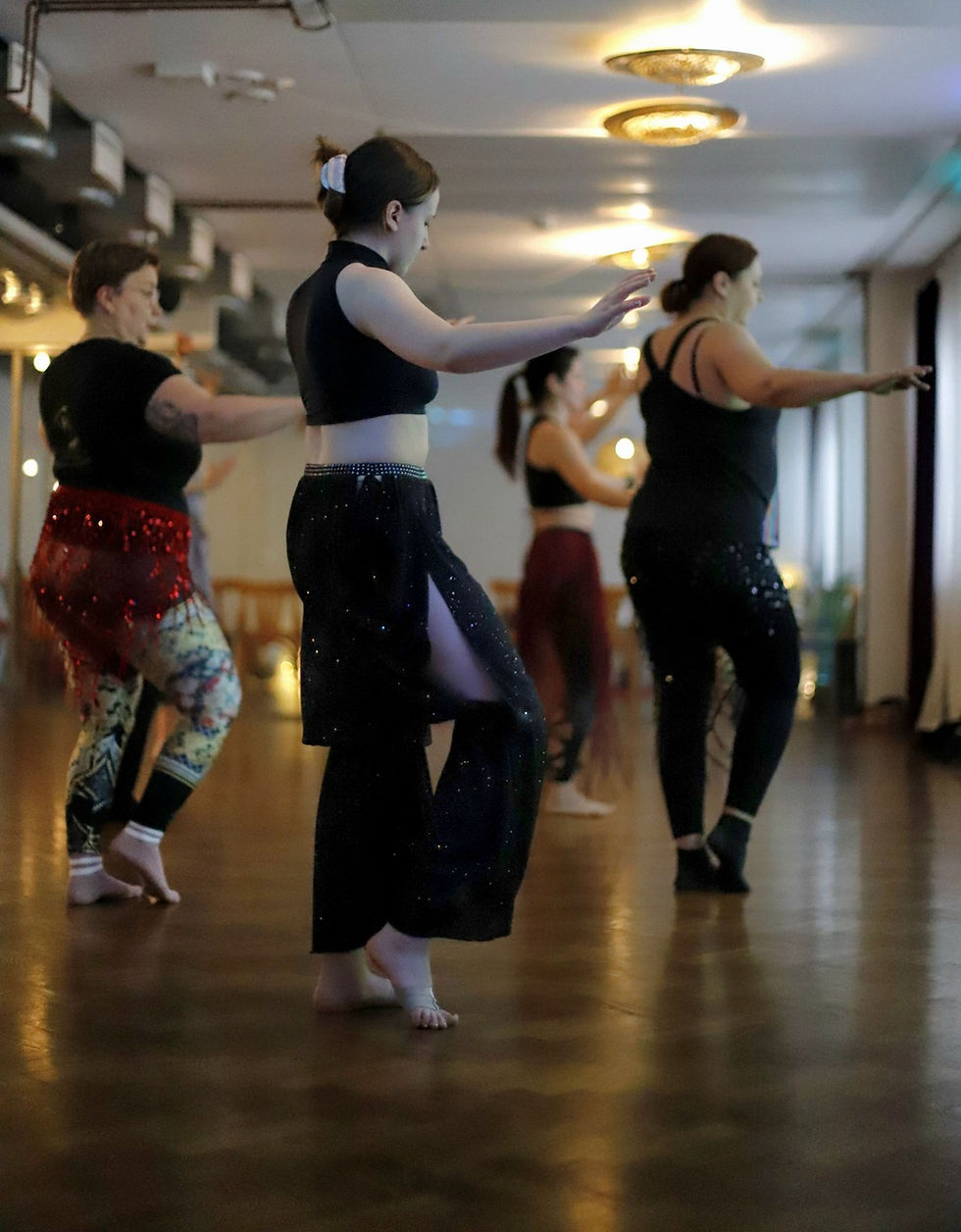
What Fusion Bellydance Develops
Fusion Bellydance helps develop:
Body control and isolations (hips, chest, shoulders)
Flowing movements and sharp accents
Expressive and performance skills
Creativity and self-confidence through movement
It also boosts confidence and brings joy and energy through dance.
💫 Try it yourself! Want to find your own way of moving?
Join workshops, summer weekly classes in Helsinki, or practice at your own pace with Delesham Online and guided online courses.
See you on the dance floor! ✨
— Fanny Delesham